School & youth organization abuse
Sexual abuse in schools, camps, and other youth-serving organizations.
 Contact Noah ↗
NOAH WERKSMAN · MERSON LAW, PLLCNOAH M. WERKSMAN, ESQ.
Noah represents survivors of sexual abuse in claims against schools, religious organizations, employers, and other institutions. His results include a $2 million settlement against a religious entity for failing to protect a groundskeeper from sexual abuse.
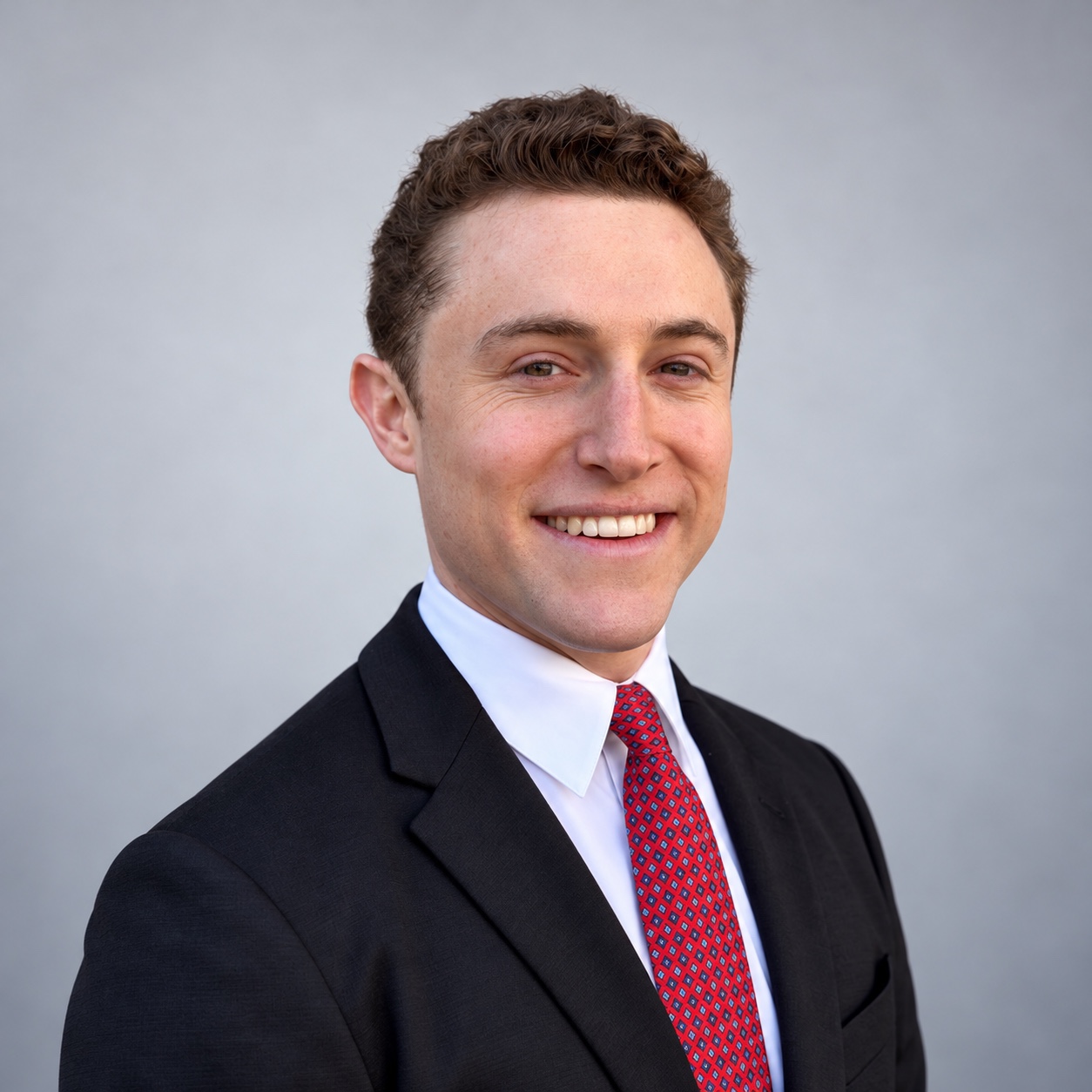
Trial lawyer at Merson Law, PLLC
Meet NoahA record of advocacy
$2 millionSettlement against a religious entity for failing to secure its premises, allowing a trespasser to sexually abuse a groundskeeper.View the result →Prior results do not guarantee a similar outcome. Each case depends on its own facts and circumstances.
Sexual abuse in schools, camps, and other youth-serving organizations.
Abuse by clergy, staff, or volunteers, and institutional failures to protect.
Sexual abuse, harassment, and retaliation in professional settings.
Claims involving warning signs, unsafe access, and failures to respond.
ISSUES TO INVESTIGATE
Claims may involve schools, religious organizations, youth programs, healthcare providers, employers, property owners, or other institutions with duties to protect.
The investigation may examine prior complaints, reports, supervision failures, personnel records, policies, and what responsible officials knew or should have known.
Perpetrators may use authority, access, secrecy, grooming, or a trusted role to isolate and exploit a child or vulnerable person.
Sexual abuse can cause psychological, emotional, relational, educational, and economic injuries that continue long after the conduct ends.
New York law has created limited paths for certain older claims, but eligibility and deadlines are fact-specific and should be reviewed promptly.
A careful case strategy should address confidentiality, trauma-informed communication, records, and whether protective or anonymity procedures may be available.
Important evidence may include medical records, incident reports, photographs, video, witness information, staffing records, policies, and communications. The available claims and deadlines depend on the facts, the responsible parties, and when and where the conduct occurred.
Speaking with a lawyer promptly can help identify what should be preserved and which legal deadlines require attention.
Discuss your situation with Noah ↗COMMON QUESTIONS
Possibly. New York deadlines vary based on age, timing, the legal theory, and whether a revival law applies. A lawyer should evaluate the dates and facts rather than relying on a general limitations period.
Potential claims may focus on negligent hiring, supervision, retention, notice, control, concealment, or other conduct by the institution. Responsibility depends on the relationship, warning signs, and evidence.
Court filings are generally public, but some survivors may seek permission to proceed anonymously or request protective measures. Whether those protections are available depends on the court and circumstances.
Preserve messages, photographs, journals, reports, names of witnesses, counseling or treatment information, and any documents identifying the perpetrator or institution. Do not alter original files.
READ MORE
Records and witness accounts can help reconstruct complaints, warning signs, and the response.
See how the age-based filing rule differs from a temporary revival window.
Examine an institution’s own notice, supervision, and control.
Learn about its separate elements, responsible parties, and time limits.
THE NEXT STEP
Share the basic timeline, the people or institutions involved, and how the injury has affected you or your family. You do not need to have every record before reaching out.
An initial conversation does not create a lawyer-client relationship or guarantee representation or a particular result.
Contact NoahMORE ANSWERS FROM NOAH
A New York nursing home sexual assault claim may turn on warning signs, supervision, care plans, and the facility’s response. Learn what families should preserve.
New York courts may allow a survivor to proceed as Jane Doe or John Doe. Learn why individualized evidence matters and how public anonymity differs from sealing.
New York negligent-security claims examine foreseeability, control, access, notice, and causation. Learn how an assault by a trespasser may raise premises-liability questions.